Pilosebaceous-Related Diseases
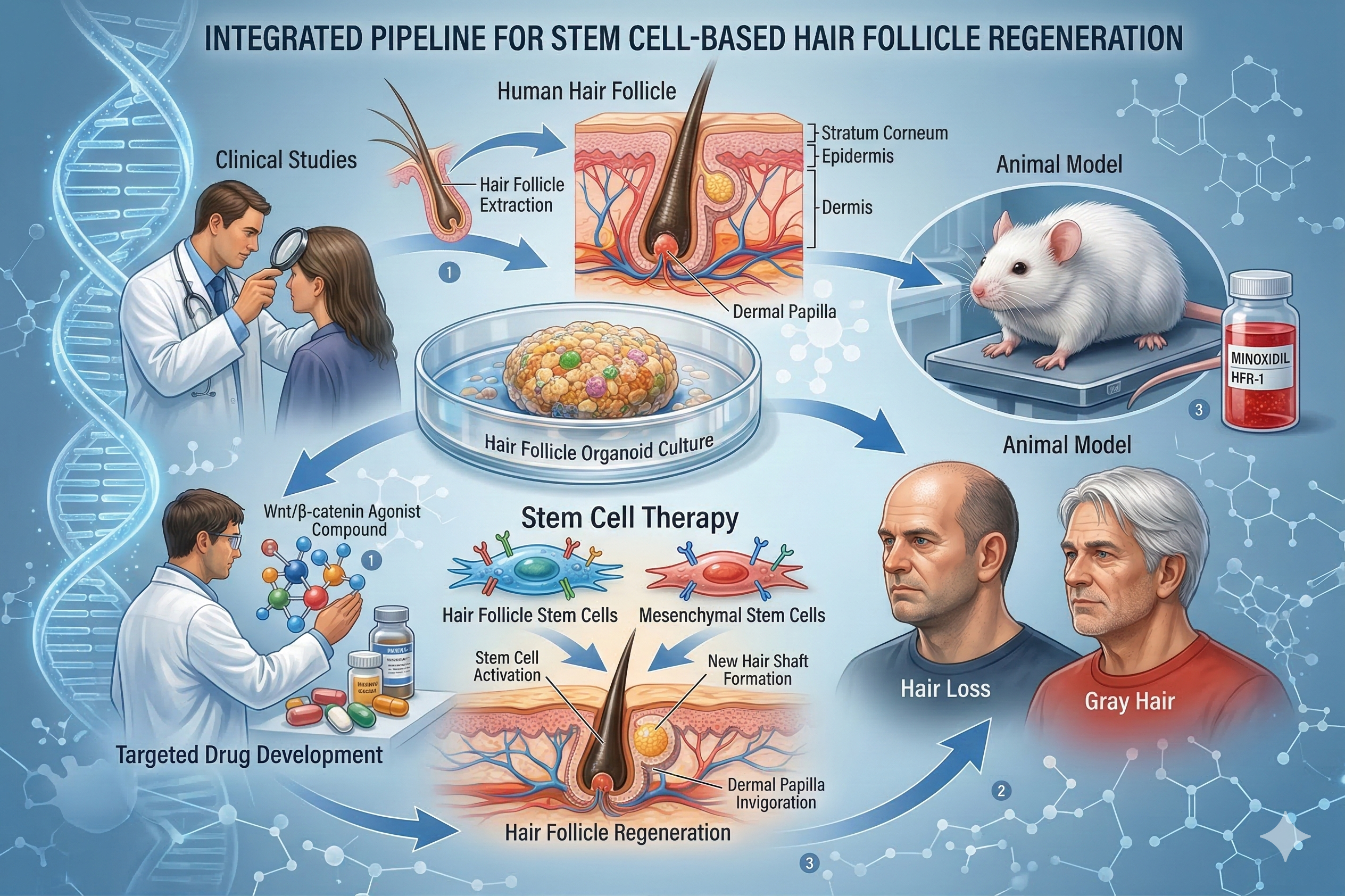
We investigate the pathogenesis of pilosebaceous unit disorders—spanning alopecia, hair graying, rosacea, and acne. By integrating clinical cohorts, human hair follicle organ cultures, animal models, and single-cell omics, we translate mechanistic discoveries into targeted therapeutic strategies.
Within hair follicle biology, we elucidate the mechanisms driving alopecia and hair graying. Our translational efforts focus on developing targeted small-molecule drugs for hair regrowth and graying reversal, alongside establishing hair follicle reconstruction techniques utilizing human follicle and mesenchymal stem cells.
Concurrently, we characterize the complex immune-microbial-neurogenic interactions underlying skin inflammation. By identifying key inflammatory pathways and therapeutic targets, we design novel, targeted interventions for rosacea, acne, and related conditions.
Within hair follicle biology, we elucidate the mechanisms driving alopecia and hair graying. Our translational efforts focus on developing targeted small-molecule drugs for hair regrowth and graying reversal, alongside establishing hair follicle reconstruction techniques utilizing human follicle and mesenchymal stem cells.
Concurrently, we characterize the complex immune-microbial-neurogenic interactions underlying skin inflammation. By identifying key inflammatory pathways and therapeutic targets, we design novel, targeted interventions for rosacea, acne, and related conditions.
Skin Aging
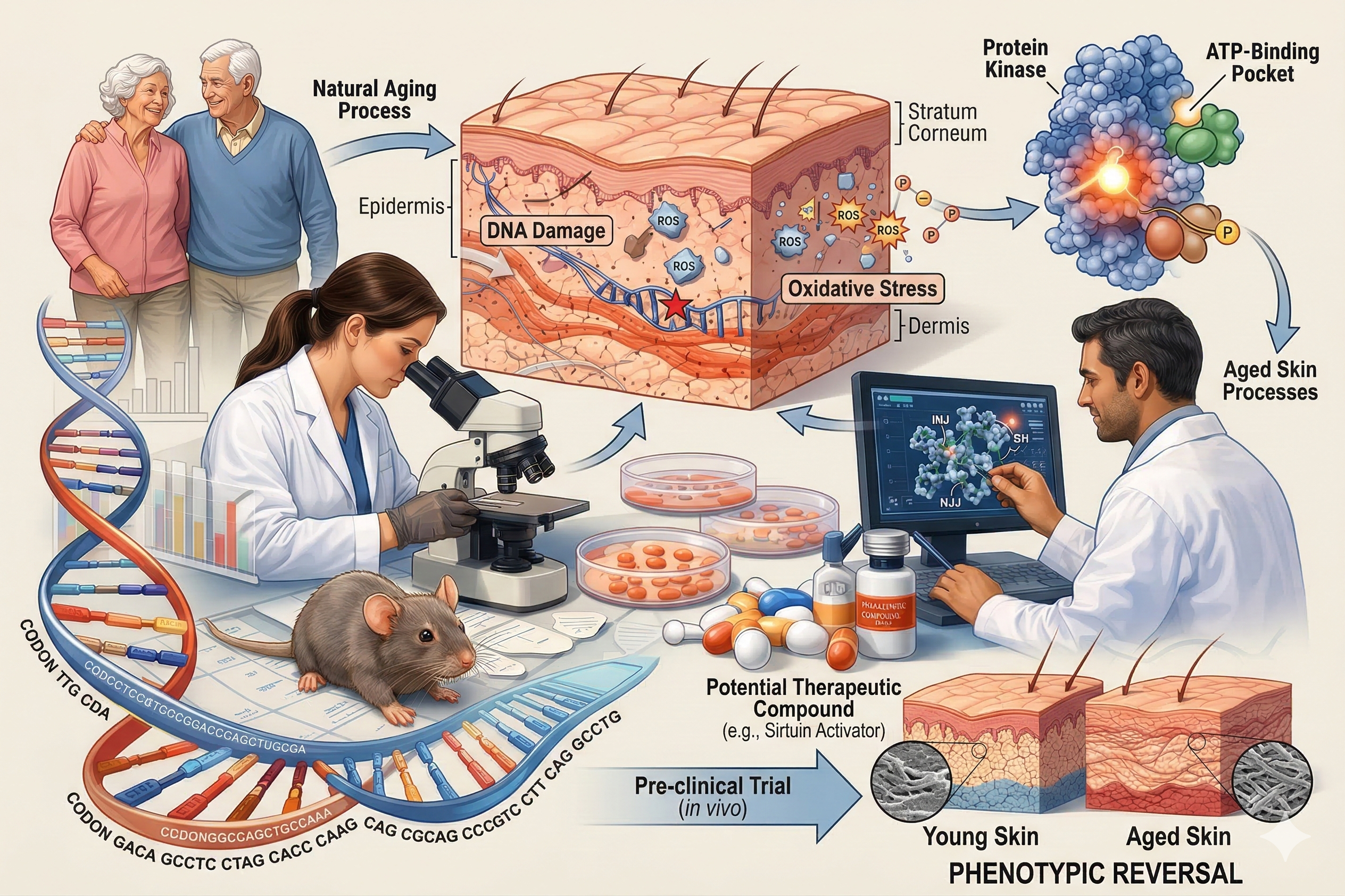
We investigate the fundamental mechanisms of skin aging by integrating data from longevity population cohorts with advanced animal and cellular models. Utilizing multi-omics approaches, we aim to decipher the role of cellular senescence and identify key aging biomarkers within the skin microenvironment.
Building upon these foundational discoveries, we drive the rational design and development of targeted anti-aging therapeutics. Our focus is to translate these key molecular insights into effective clinical interventions.
Building upon these foundational discoveries, we drive the rational design and development of targeted anti-aging therapeutics. Our focus is to translate these key molecular insights into effective clinical interventions.